

8 Benefits of Loose Parts and Sensory Play for Toddlers and Preschoolers
As parents and educators, it's easy to feel pressure to provide children with the newest toys, elaborate crafts, or highly structured activities. Yet some of the richest learning experiences often come from the simplest materials. Buttons, cardboard scraps, pipe cleaners, play dough, water, leaves, and other everyday loose parts invite children to explore, create, and discover at their own pace.
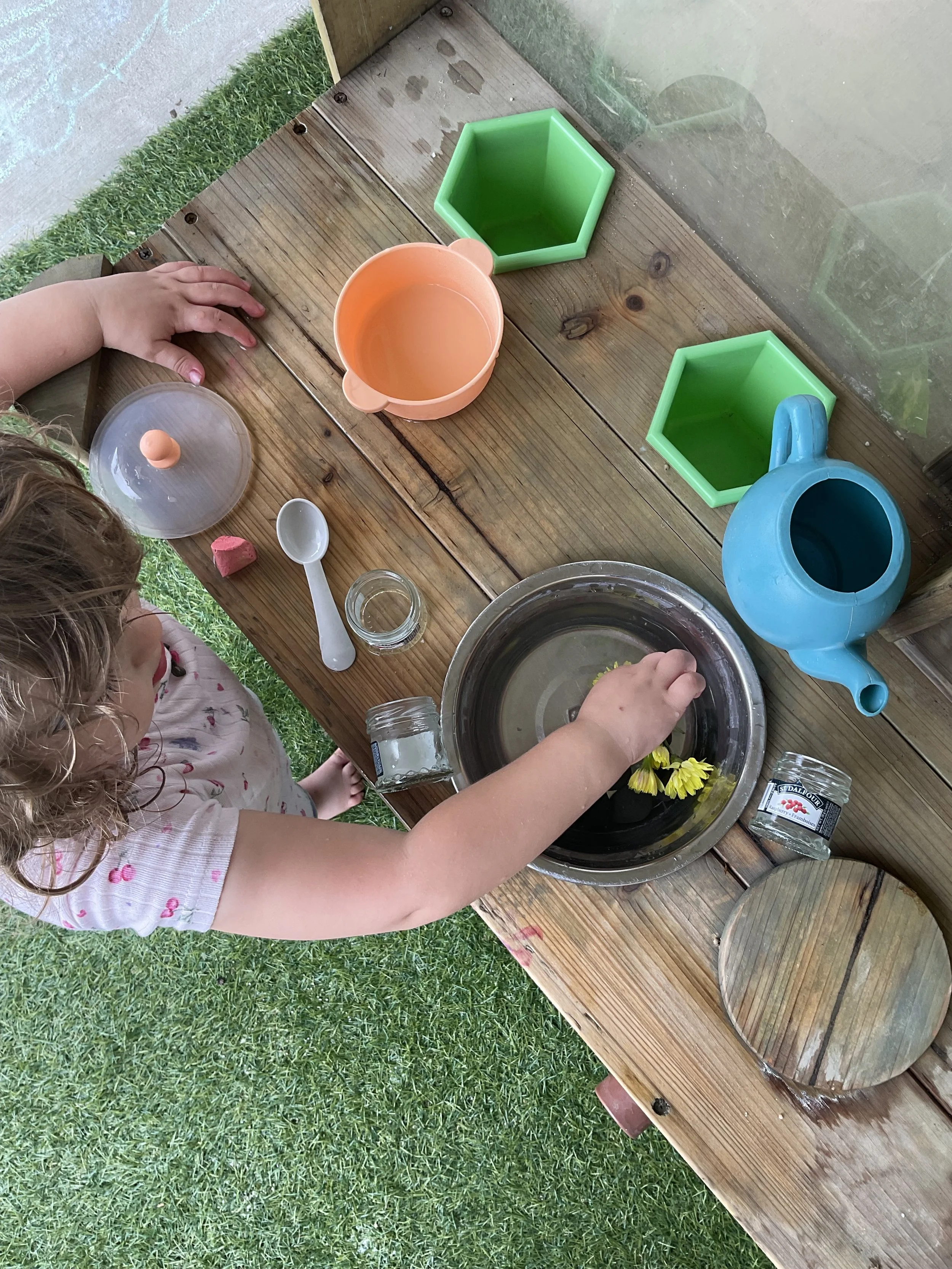
Loose parts and sensory play are powerful because they are open-ended. There is no single right way to play, create, or learn. Whether they are building with recycled materials, digging through kinetic sand, creating with play dough, or exploring a sensory tray, they are developing important skills through hands-on experiences.
In our home and workshops, I've watched toddlers, preschoolers, and older children engage with the same simple materials in completely different ways. A toddler may enjoy scooping and sorting, while an older child might build, invent, design, and tell stories. This flexibility is one of the reasons loose parts and sensory play have become such an important part of our creative learning experiences.
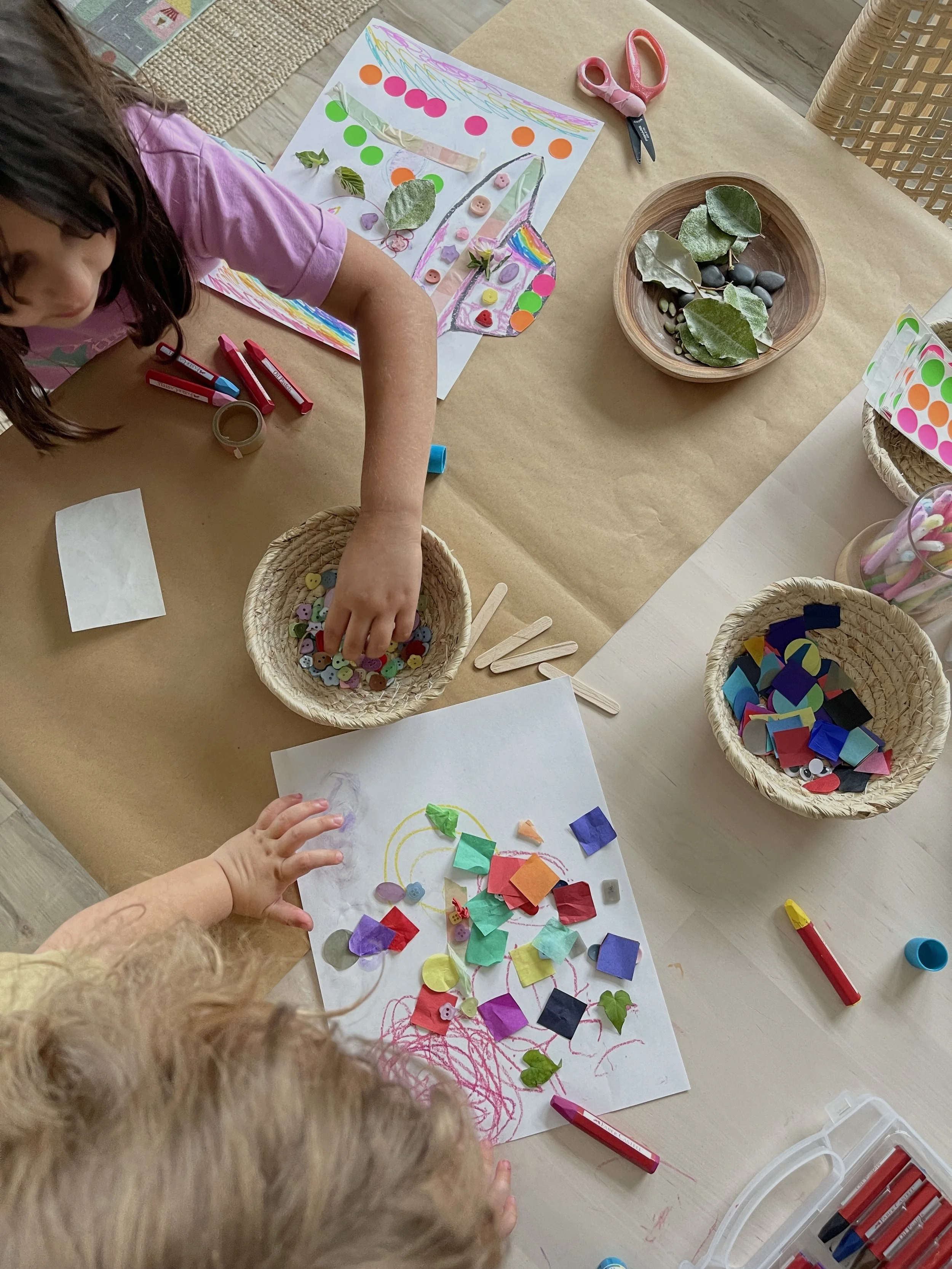
If you've ever wondered why educators and child development experts value open-ended play so highly, here are eight benefits of loose parts and sensory play for toddlers and preschoolers.
but first! What exactly Are Loose Parts?
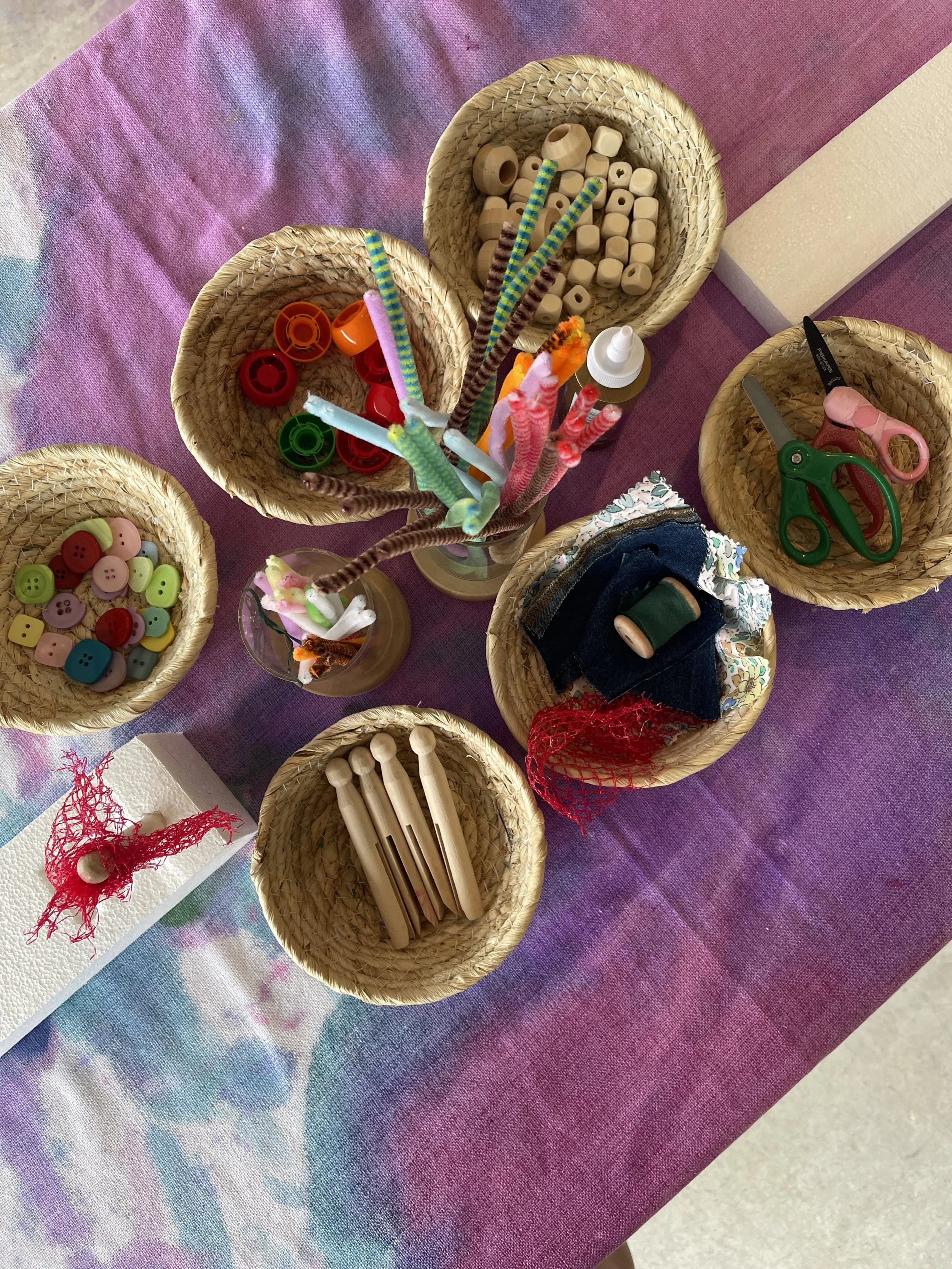
Loose parts are open-ended materials that children can move, combine, redesign, stack, sort, arrange, and transform during play.
Some examples include:
Buttons
Cardboard scraps
Fabric pieces
Wooden beads
Nature treasures
When combined with sensory materials like play dough, water, or kinetic sand, they create endless opportunities for creativity.
Why Combine Loose Parts and Sensory Play?
Children naturally learn through hands-on exploration.
Unlike activities with a predetermined outcome, open-ended invitations encourage children to make decisions, test ideas, solve problems, and create in ways that are uniquely their own. There are seriously hundreds of benefits to loose parts and sensory play, but here are 8 of my favorites!
Encourages Creativity and Imagination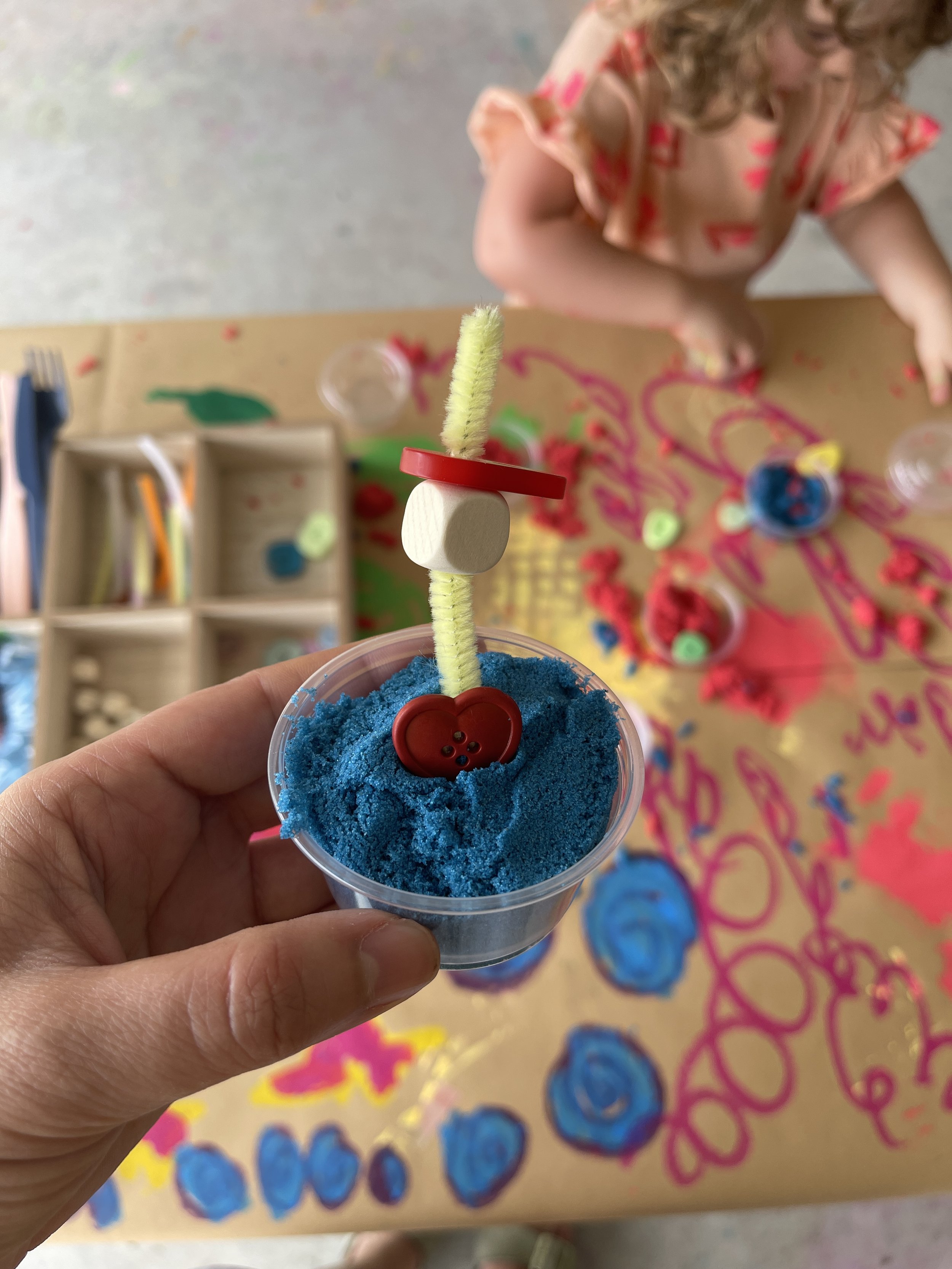
One of the things I tell my girls and kids at our art workshops is that there is no "right" way to use loose parts.
A button might become a flower, a treasure, an eye for a creature, or an ingredient in a pretend soup. This freedom encourages children to explore possibilities, and develop confidence in their own ideas.
Builds Problem-Solving Skills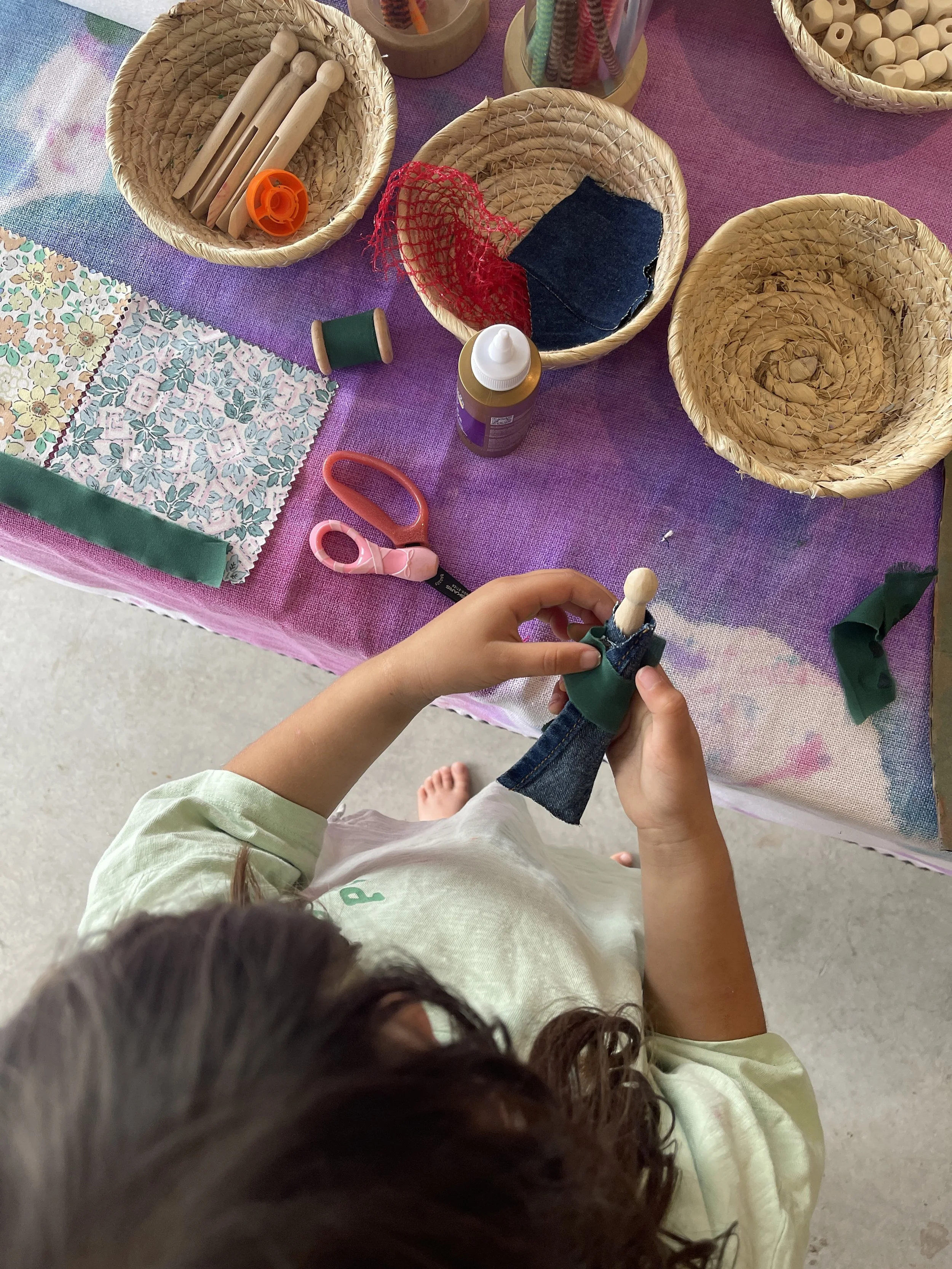
Open-ended materials invite experimentation.
Children naturally ask themselves questions such as:
How can I make this stand up?
What happens if I add more materials?
How can I connect these pieces together?
What could this become?
Through trial and error, children learn to adapt, revise, and persist when things don't go as planned.
Strengthens Fine Motor Skills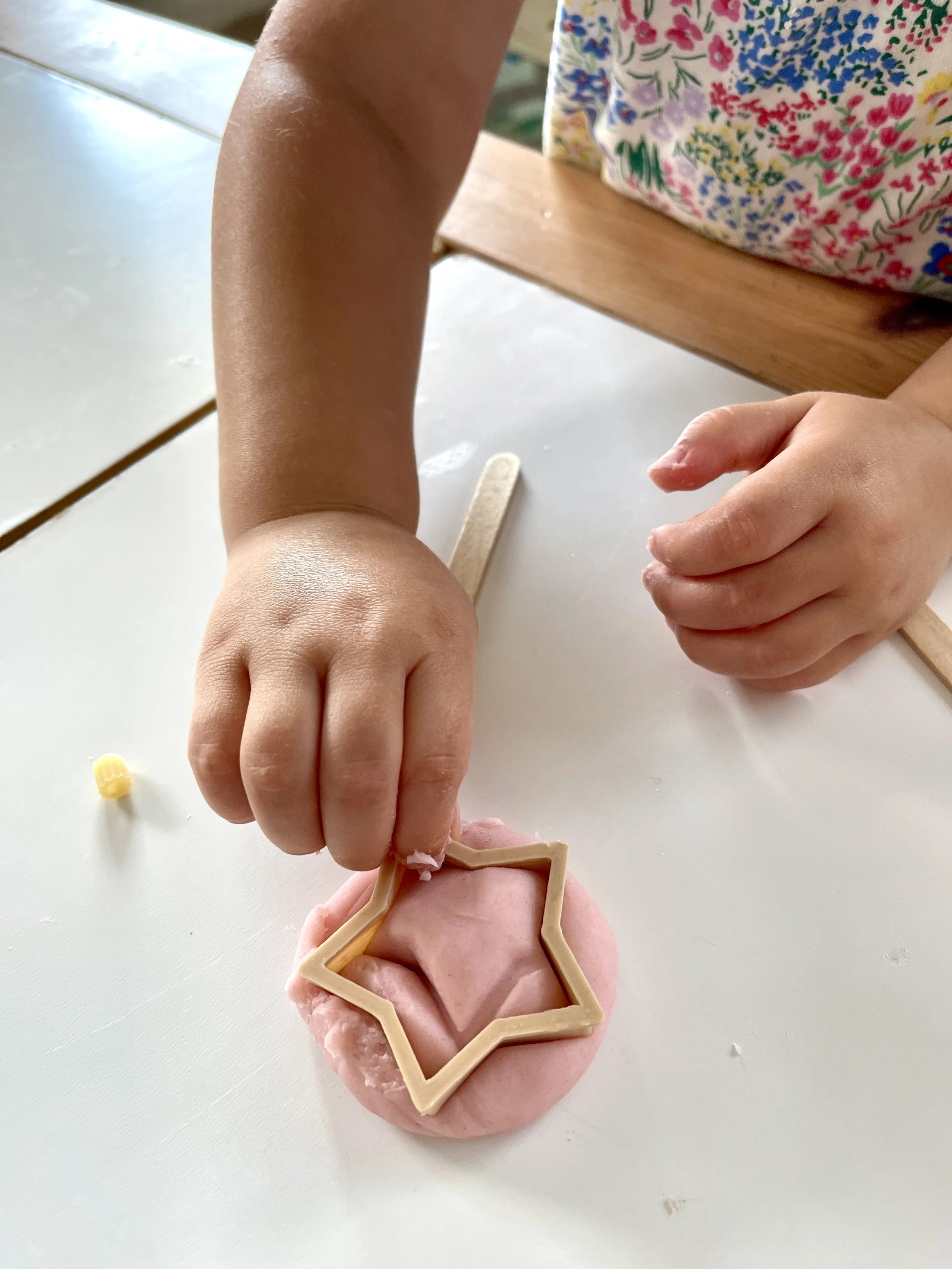
Many loose parts are small enough to encourage grasping, pinching, threading, stacking, scooping, and transferring.
These movements help strengthen the small muscles of the hands and fingers that support everyday tasks such as drawing, cutting, buttoning clothing, and writing.
Supports Sensory Exploration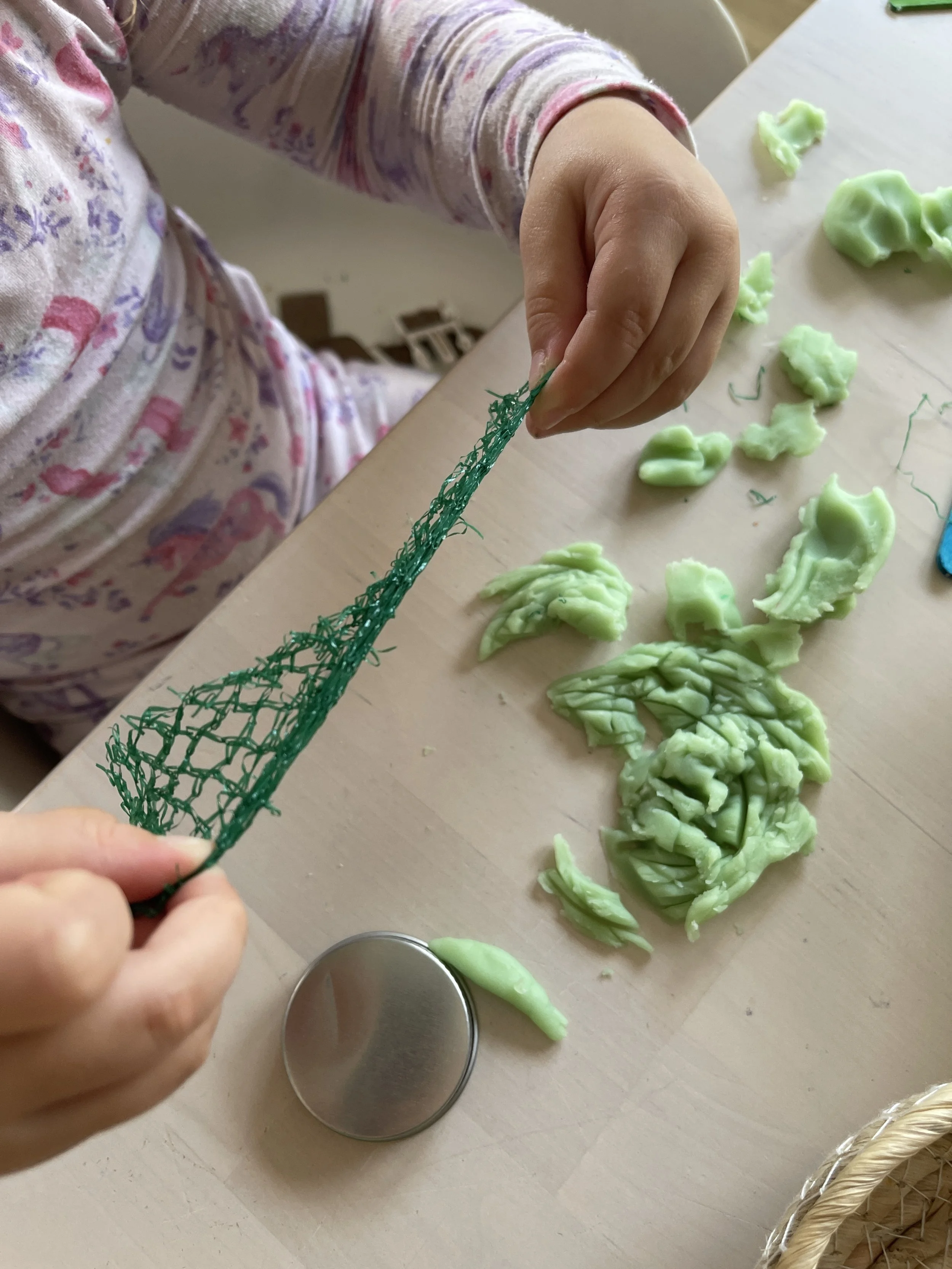
Sensory play introduces children to a wide variety of textures, weights, temperatures, sounds, and materials.
Smooth buttons, rough cardboard, soft pom poms, sticky clay, dry rice, cool water, and moldable sand all provide valuable sensory experiences that help children better understand the world around them.
Develops Early Math and Scientific Thinking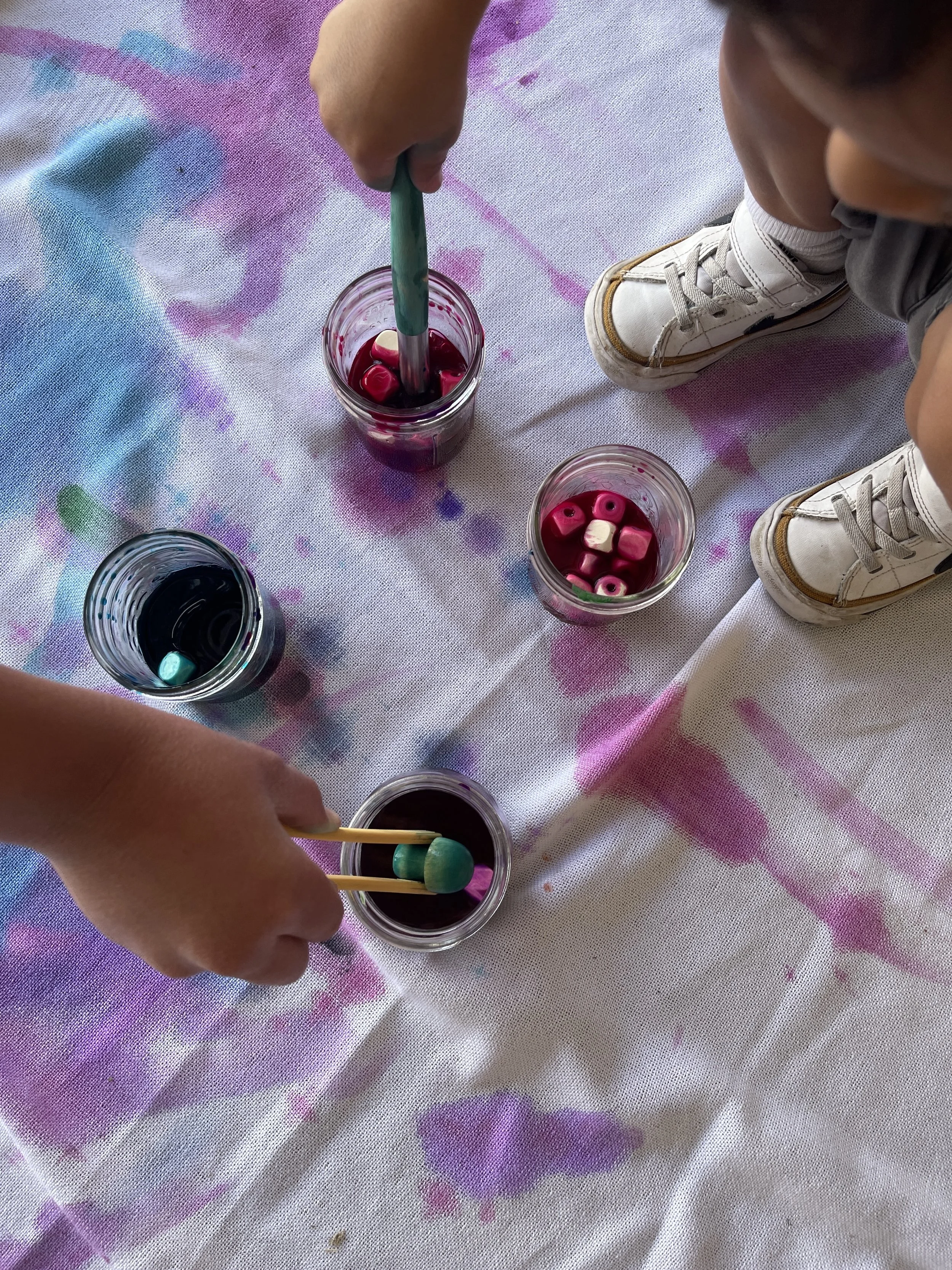
While playing, children naturally begin sorting, classifying, comparing, measuring, counting, and observing.
They notice patterns, test ideas, make predictions, and explore cause-and-effect relationships through hands-on discovery.
Encourages Language Development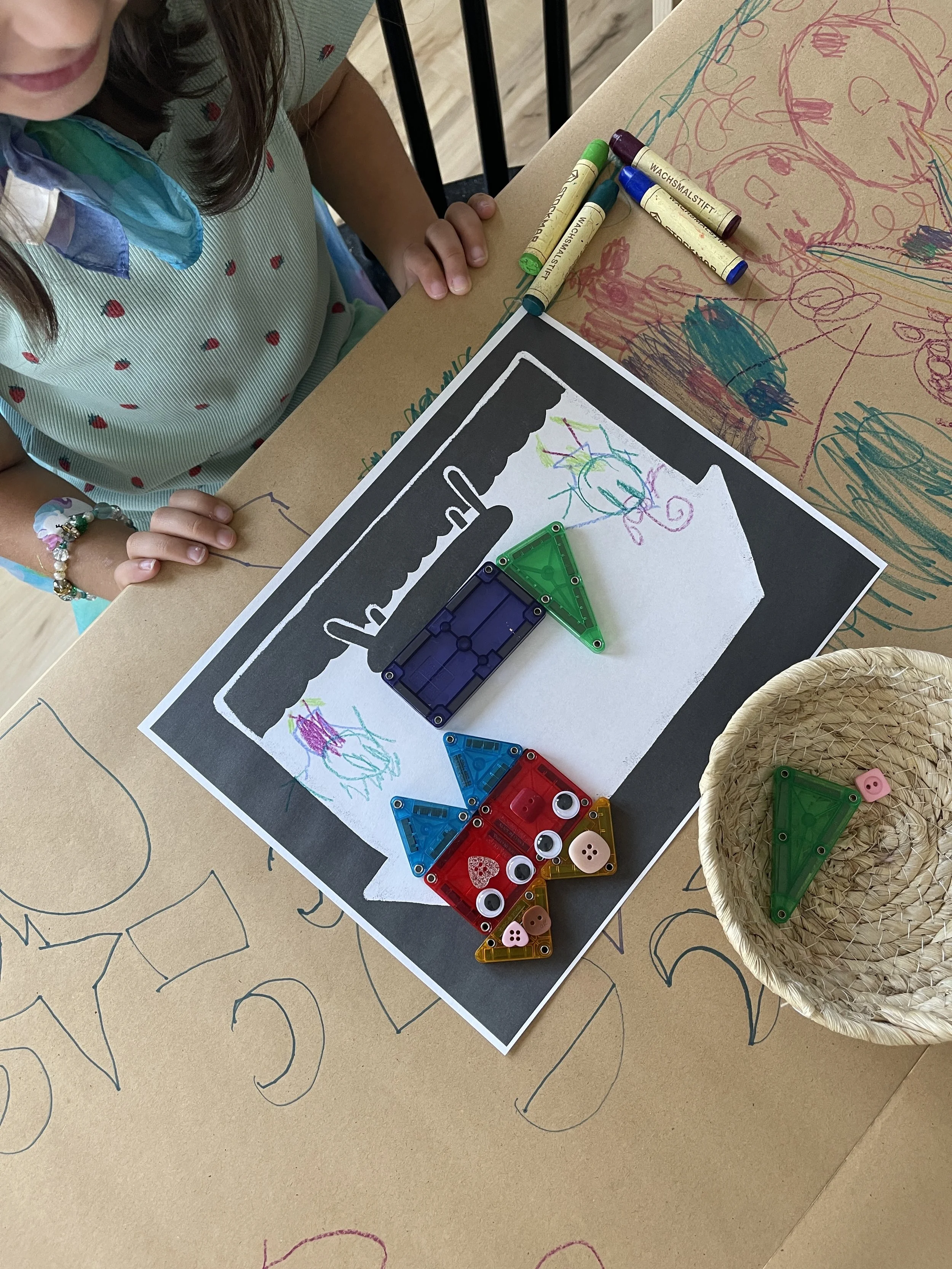
Open-ended invitations often spark rich conversations.
Children describe what they are creating, explain their ideas, tell stories, ask questions, and use new vocabulary as they explore materials.
These natural conversations help build communication skills and confidence.
Fosters Focus and Independent Play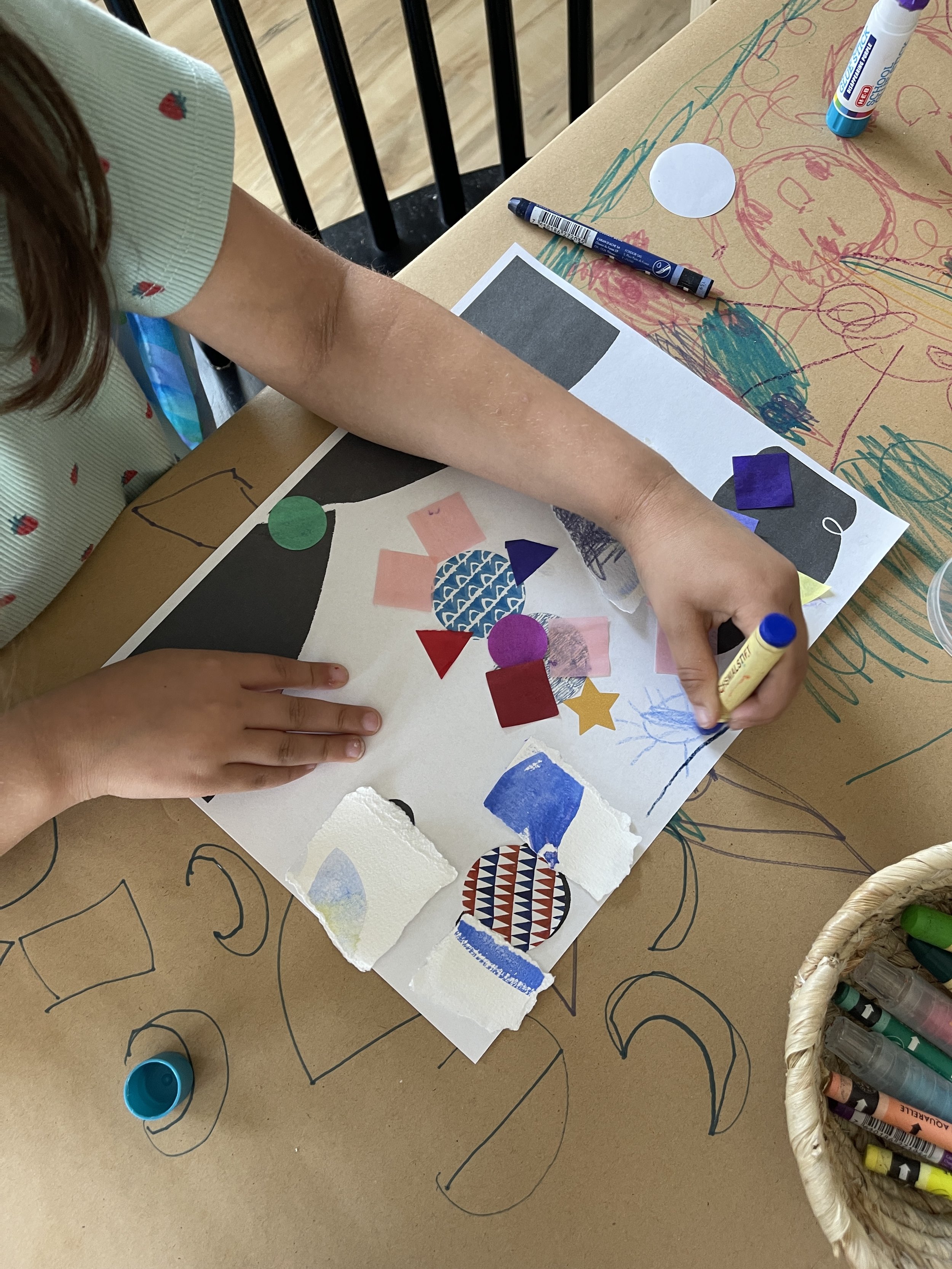
Because there is no pressure to create a specific result, children are often able to stay engaged for longer periods of time.
Many parents are surprised by how deeply children concentrate when given a simple invitation with thoughtfully chosen materials.
Supports Children of Different Ages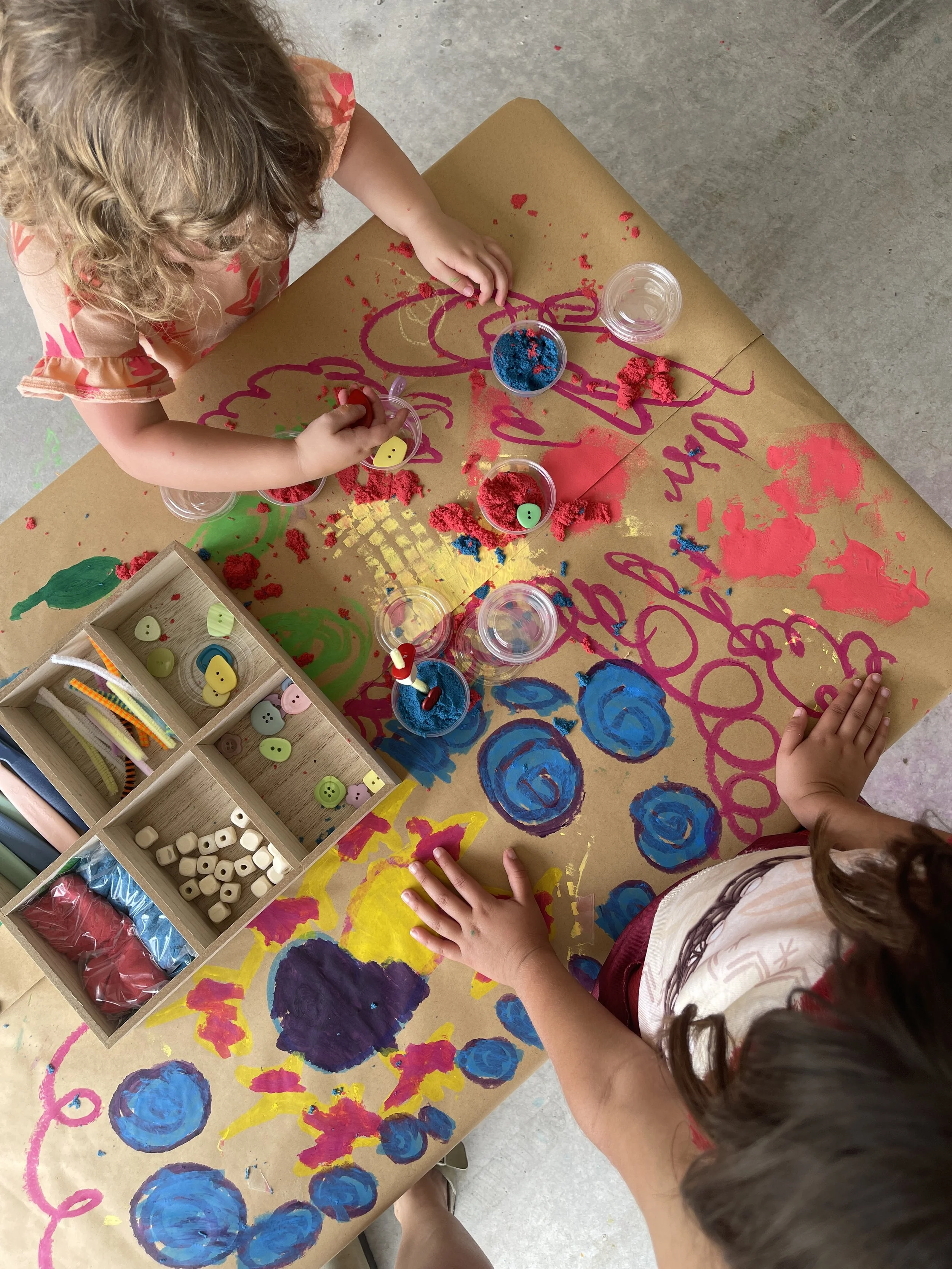
One of the greatest benefits of loose parts play is its flexibility.
The same invitation can be enjoyed by toddlers, preschoolers, and older children in completely different ways.
Younger children may focus on sensory exploration and sorting, while older children might build structures, tell stories, or create detailed artistic designs.
This makes loose parts and sensory invitations a wonderful option for families, classrooms, and mixed-age groups.
freebie alert
〰️
freebie alert 〰️
Ready to put these skills to practice?
Loose parts are such a great way to introduce children to art concepts like texture, shape, and color. Along with practicing fine motor skills and creative thinking. I made a starter guide with over 75 loose part ideas along with age and developmental insights. Grab yours for free!